
Case studies
The work, measured.
Six organizations, from a 1904 quarry to a container fleet at sea, put positive reinforcement to work. These are the numbers their leaders reported afterward.
- 6
- Documented programs
- 0
- Lost time injuries at ARB after roll-out
- 97%
- Participation at Braen Stone
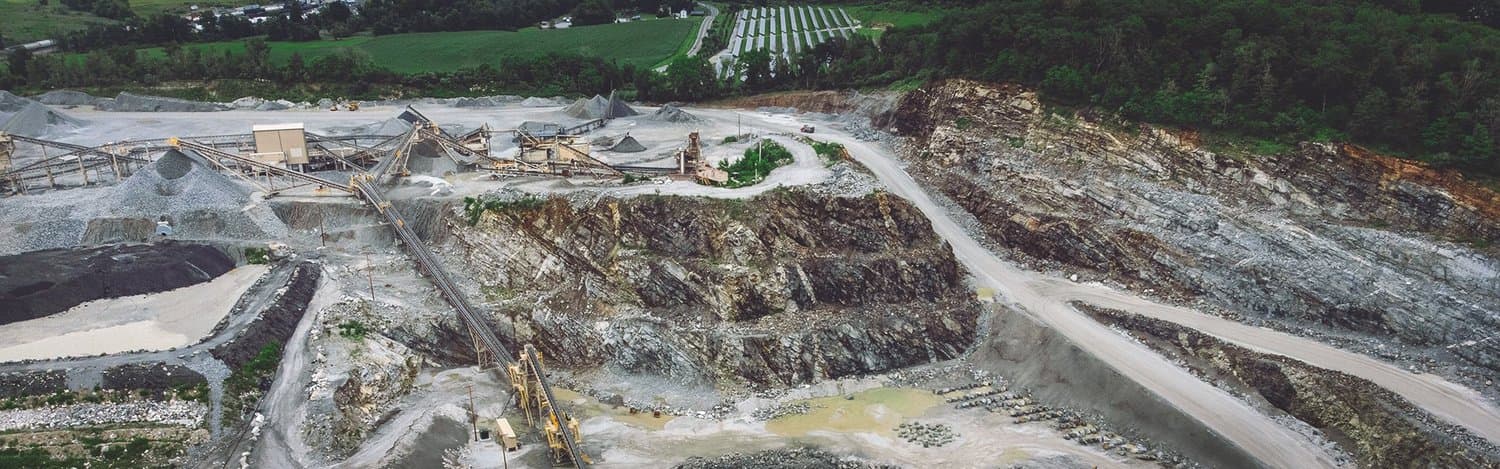
Featured · Construction materials and aggregates
Braen Stone
Behavior-based safety transforms a quarry's culture
An MSHA-regulated quarry replaced a lagging-indicator incentive scheme with positive reinforcement, and reached a 97% participation rate.

Sealed Air
Recordable injuries fell from 27 a year to 2, and workers' compensation claims dropped from $1M to $100K.
View case study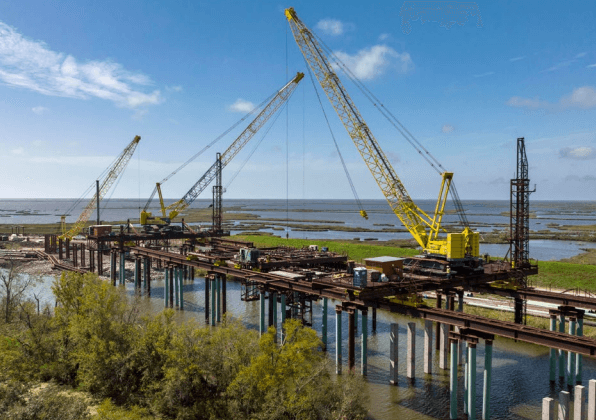
ARB
From 20 lost-time injuries and one fatality to zero of both, with engagement up from 28% to 98%.
View case study
Orkin
A 51% improvement in the Georgia group, with claims falling from 42 to 19 over four months.
View case study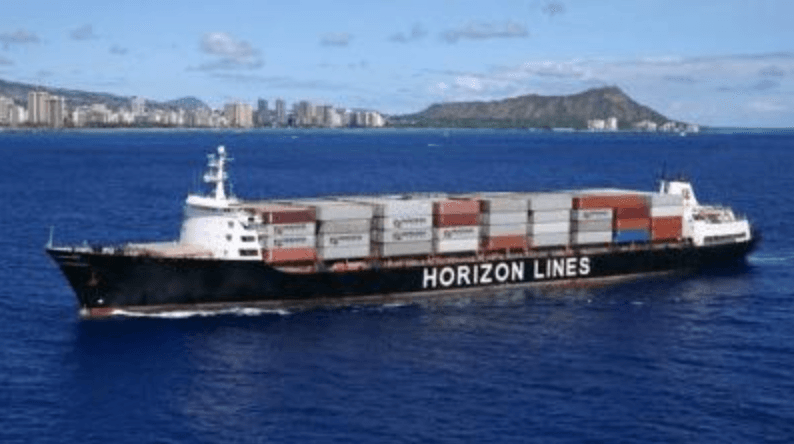
Horizon Lines
A 50–60% additional reduction in injury rates on top of improvements already achieved, and a 64% drop in incidents in the first 90 days.
View case study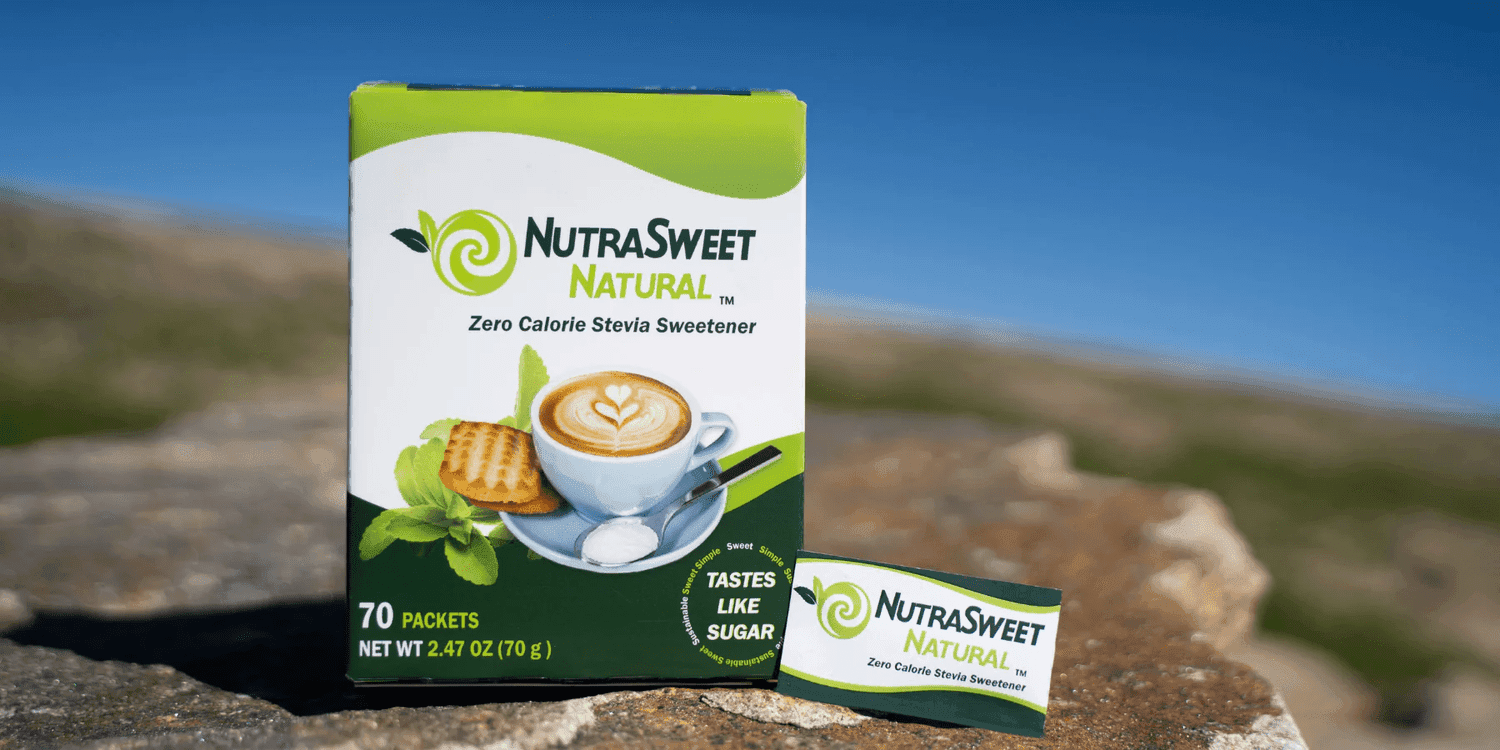
NutraSweet
Participation climbed from about 5% to 96%, and near-miss reports increased by 400%.
View case studyThe information requested is proprietary and confidential, not to be shared outside the requestor's company. The material provided is only available under a license that specifically prohibits any distribution outside the requester company to which it was provided, and the information is protected by US and International copyright law which contains penalties, including recovery of attorney fees, for unauthorized use. By continuing to access these case studies, you consent to not share them without the explicit consent of Bill Sims, Jr.
Your numbers next
What would this look like in your operation?
Tell us where injuries and disengagement are costing you most. We will walk through the closest example and what it took to get there.